A pump passes its factory inspections, then cracks after just a year or two in service. The cause often lies in the material.
Virgin or recycled resin? It is a familiar question in the diaphragm pump industry. Recycled material costs less and can look much the same, so some manufacturers blend it into their plastic components.
Our team at RV brings more than 30 years of experience in diaphragm pumps. Our policy is simple: virgin materials in every component. Drawing on published research, we explain what recycled materials can mean for pump performance, and why we make this choice.

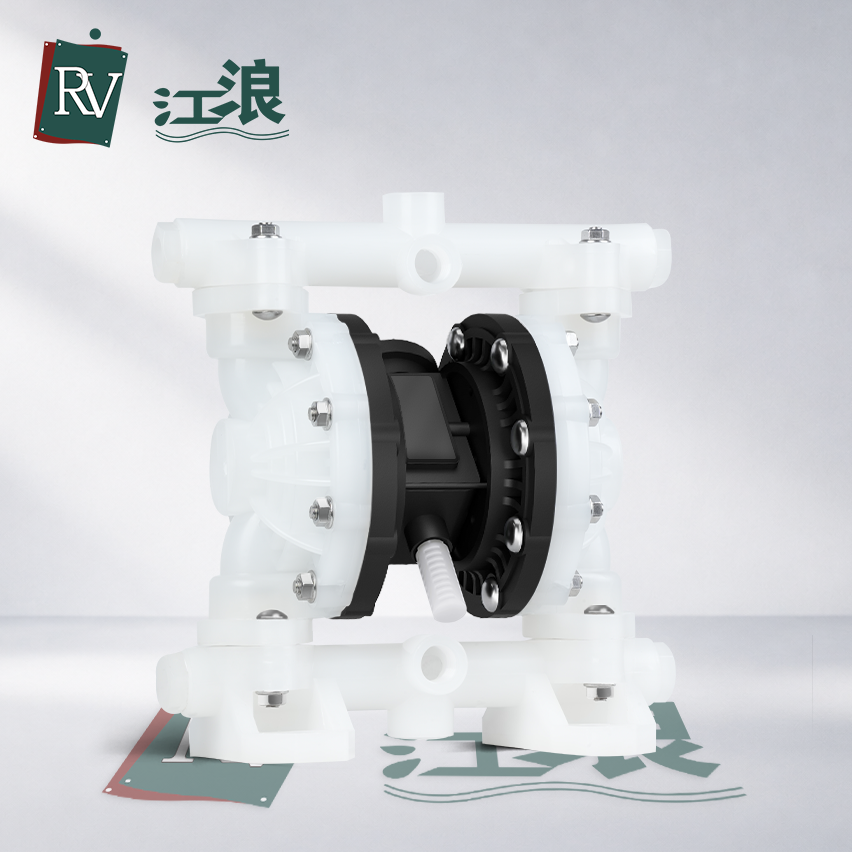
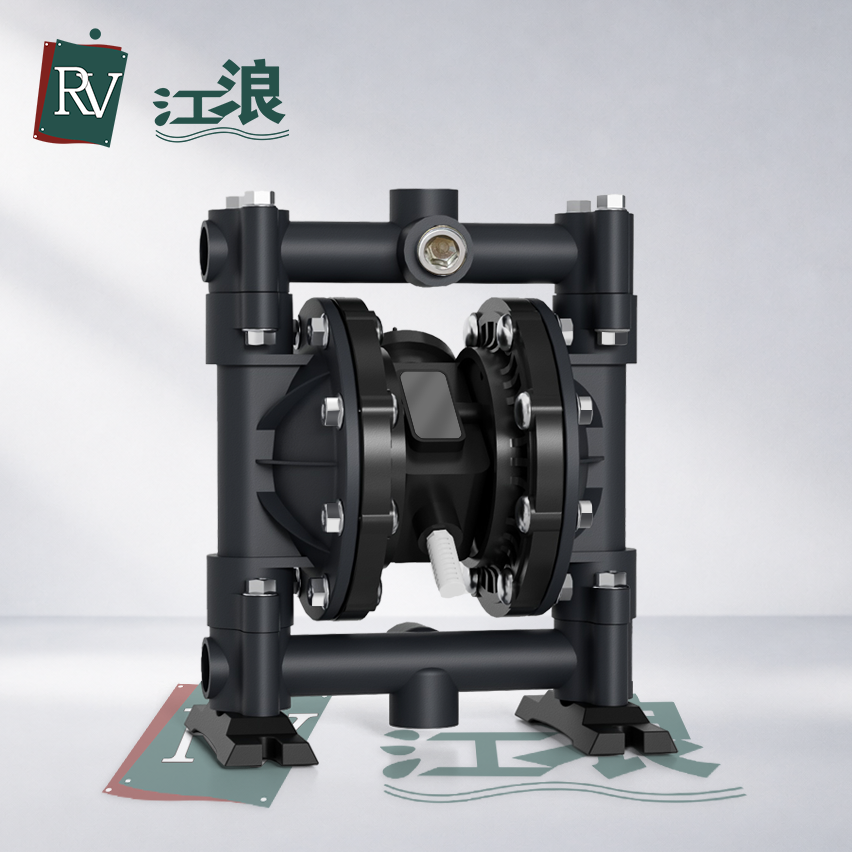
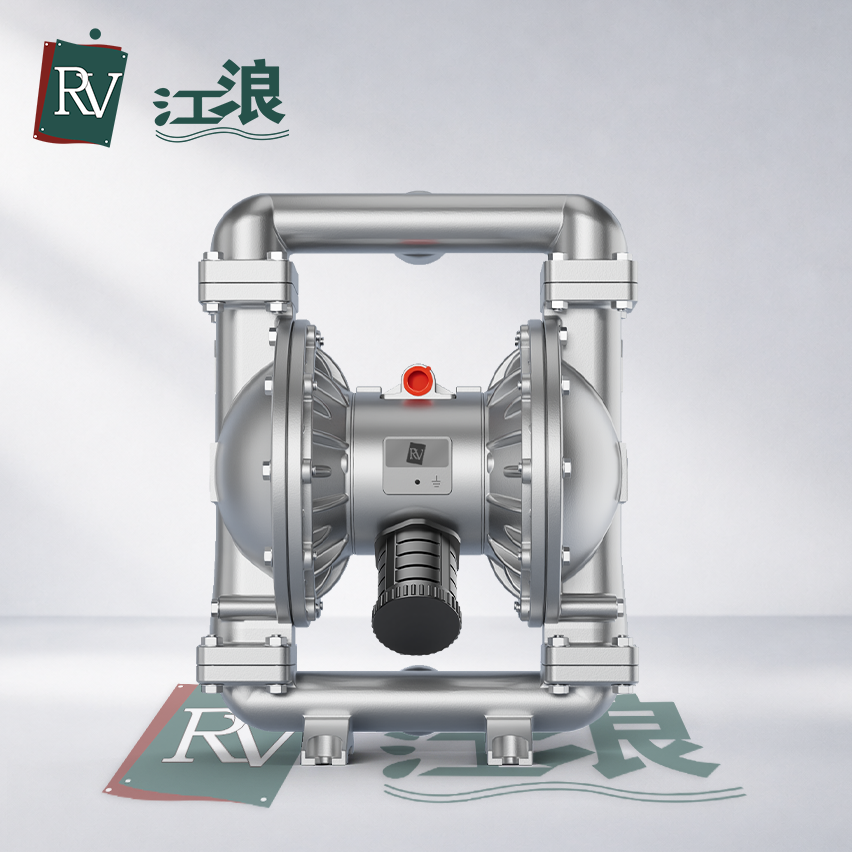
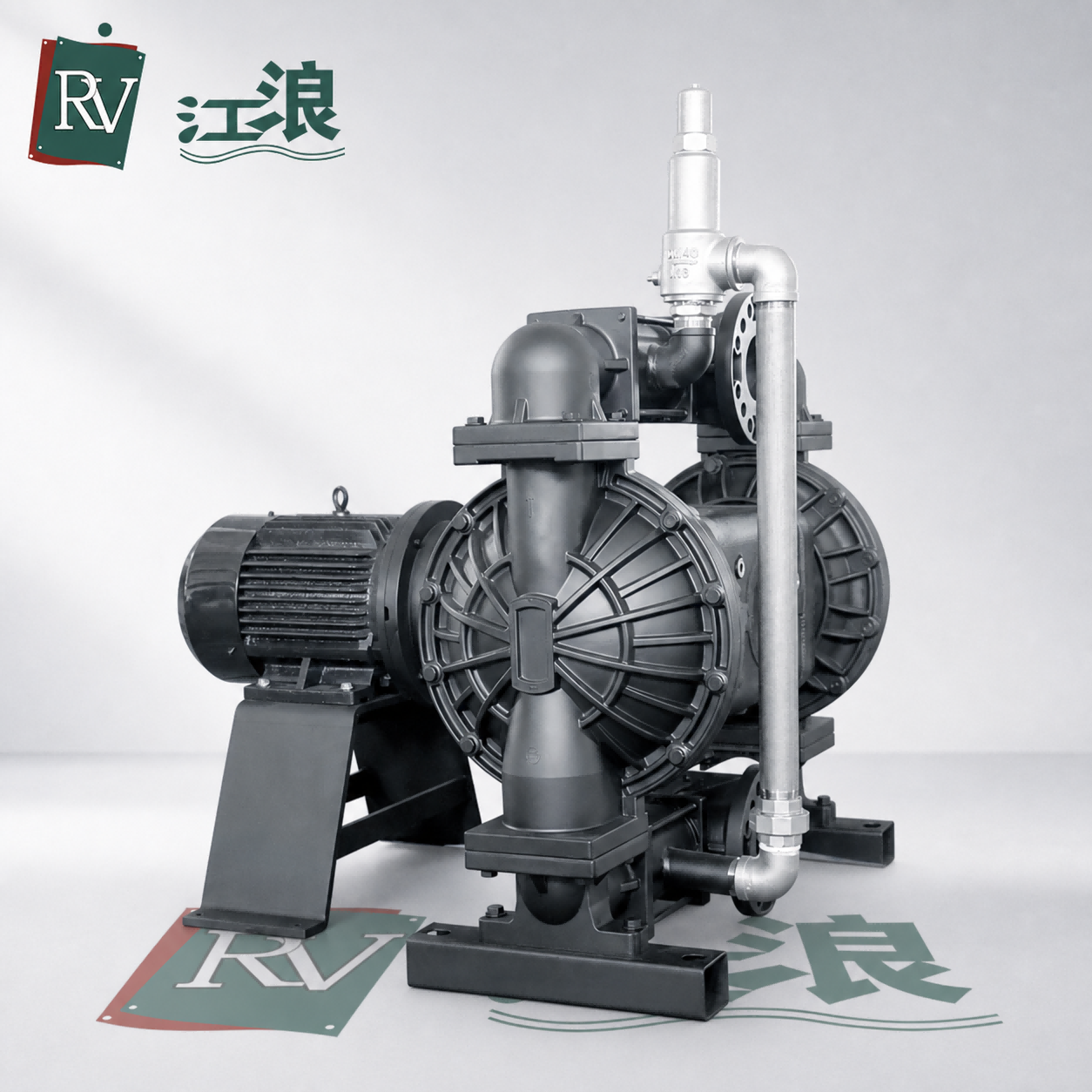
RV plastic diaphragm pump made with virgin materials. Left: PP Pump, Right: PVDF Pump
01 What is recycled resin?
Recycled resin is plastic that has been recovered and reprocessed. It can come from used packaging, industrial production scrap or the housings of discarded electronics. The material is shredded, melted and made into pellets, then returned to injection molding machines to make parts such as pump bodies and valve balls.
Recycling plastics is a useful part of a circular economy. But plastics behave differently from metals when they are reprocessed. Metals can generally be remelted and refined to restore their composition and properties. High-temperature processing can break polymer chains, lower molecular weight and reduce toughness. Simply melting the plastic again does not reverse that damage.
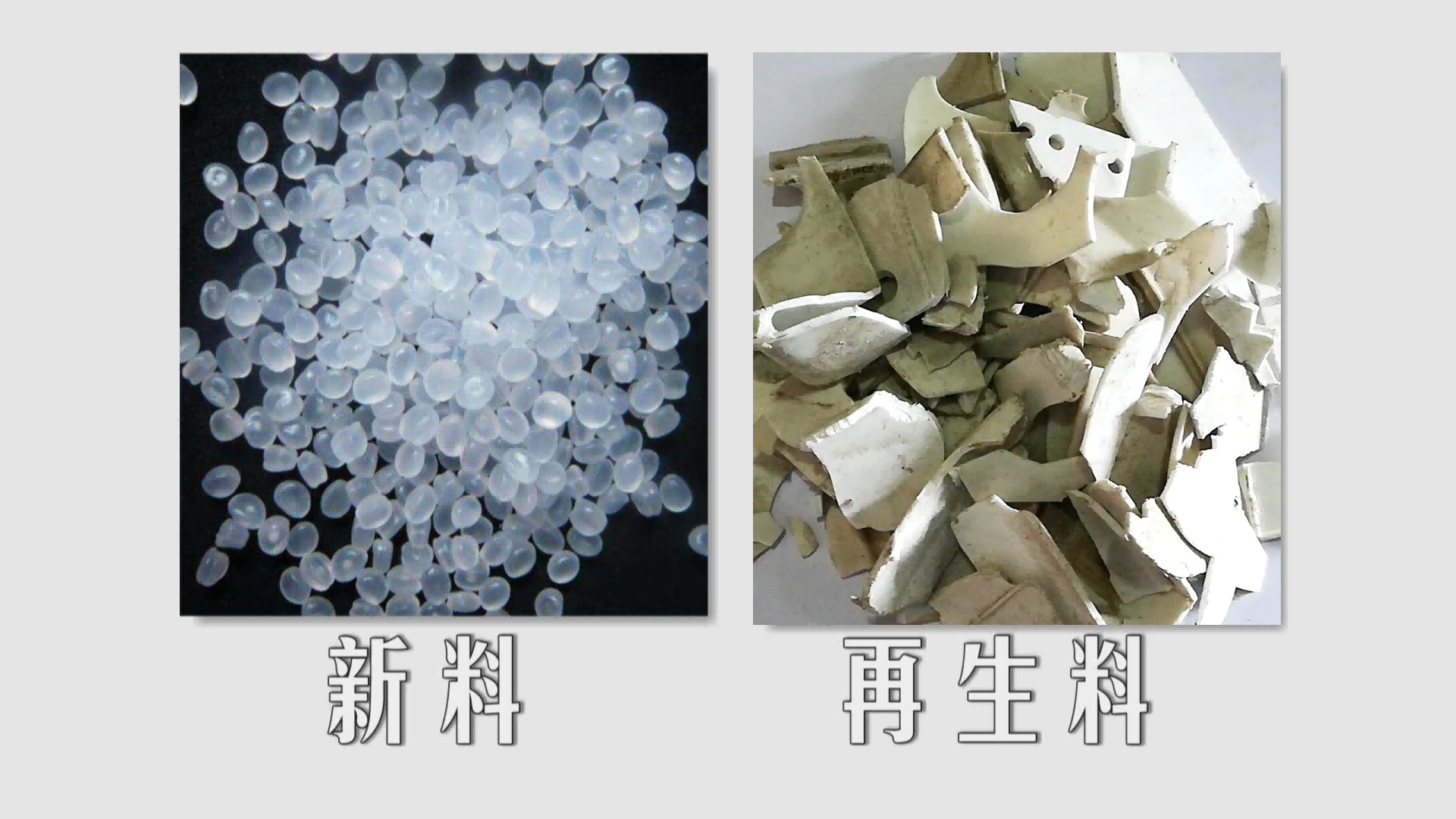
Recycled feedstock may also contain other polymers, metal fragments or residual additives. These may be less of a concern in some everyday Products. A diaphragm pump, however, has to contain pressure and handle a range of fluids. Its materials face a different set of demands.
02 Why RV uses virgin materials throughout
Every component in our plastic diaphragm pumps uses virgin material: pump bodies, diaphragms, valve balls, valve seats, separator plates, air distribution valves, center sections and end caps. We do not use recycled material or blend it into the feedstock.
There are five practical reasons behind this policy.
1. Components under pressure need dependable material properties.
Pump bodies experience repeated pressure cycles. Virgin materials have well-established data for impact strength, elongation at break and pressure resistance, giving us a reliable basis for designing pumps that work consistently in service.
2. Diaphragm life affects operating costs.
Virgin diaphragm materials such as PTFE, EPDM and FKM have established flex-fatigue data and better-understood aging behavior. That helps customers plan maintenance and reduce unplanned downtime.
3. The pumped fluid must be protected.
Our pumps serve chemical processing, food production, pharmaceuticals, electroplating and wastewater treatment. Many of these customers set strict requirements for material purity and chemical migration. Virgin materials allow us to provide full material documentation and traceability.
4. Consistency matters from one batch to the next.
With virgin materials, melt flow index (MFI), mechanical properties and chemical composition can be kept within controlled specifications. That consistency helps stabilize both the molding process and the quality of the finished parts.
5. We control production from raw material to finished part.
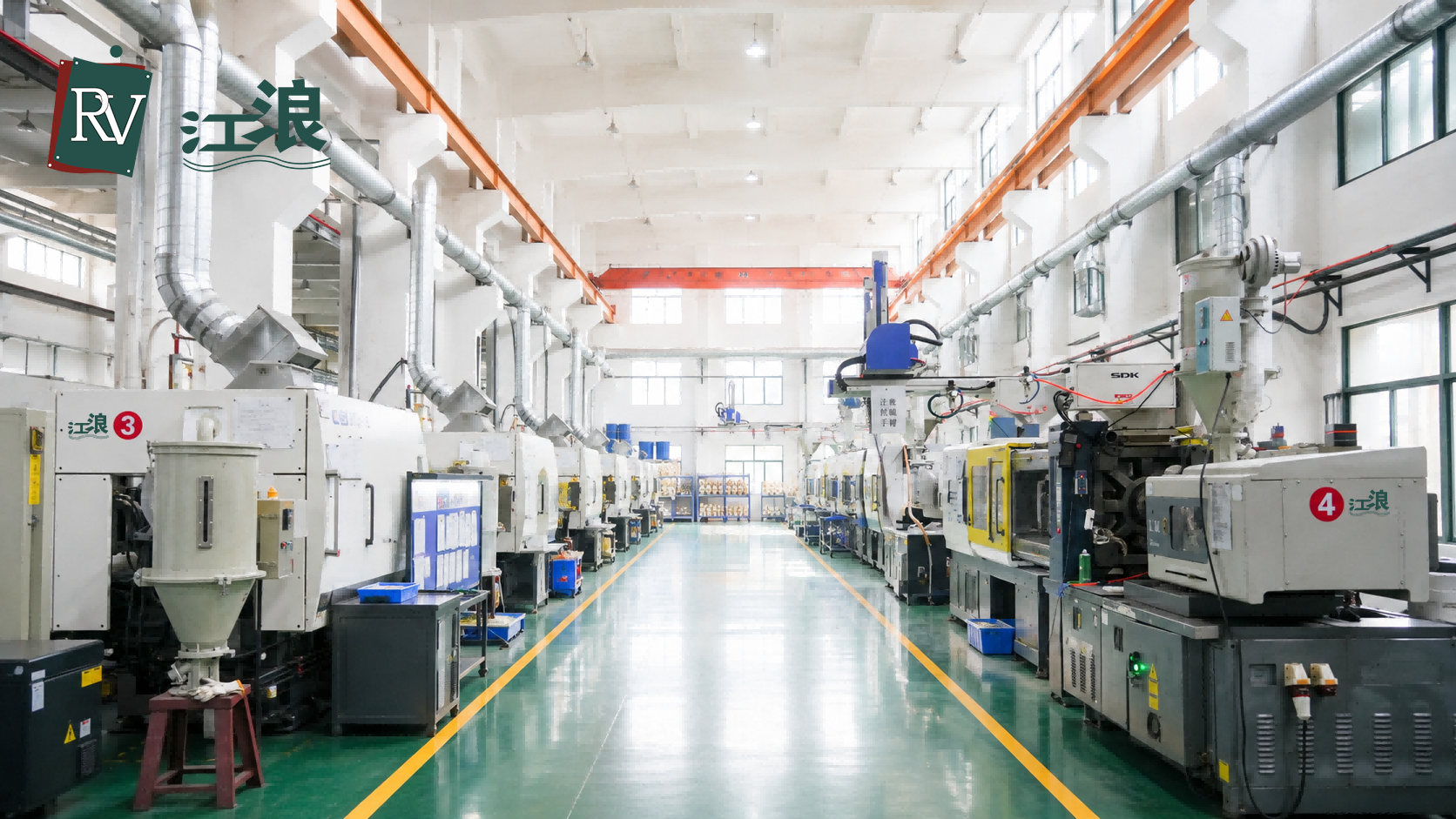
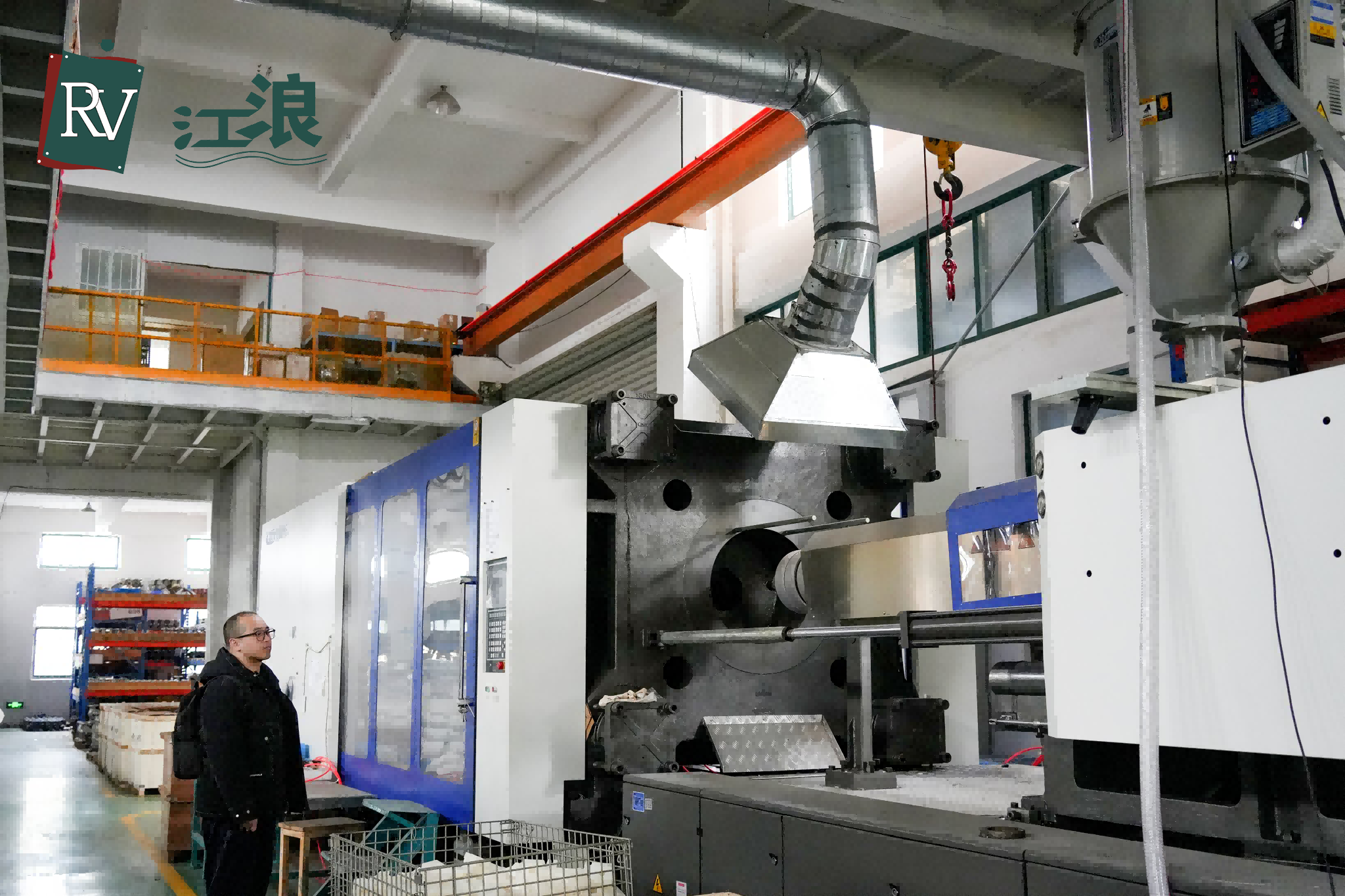
Our injection molding facility is equipped with large molding machines. Material drying, molding and dimensional inspection all take place in our own workshop. We can trace each raw-material batch, each set of process settings and the molding quality of each pump body. This keeps our material requirements in place all the way through production.
We understand the cost advantage of recycled resin. But a single leak can bring equipment damage, emergency repairs, lost production and wasted fluid. Those costs can easily exceed the original saving on material. We would rather get the material right at the start and spare our customers those problems later.
The next five sections look at the research behind these concerns.
03 Lower toughness can leave a pump body more prone to cracking
Plastic diaphragm pump bodies can face cyclic pressures of 0.6–0.8 MPa (6–8 bar), while valve balls and seats experience repeated impacts. The material needs sufficient impact toughness and elongation at break to withstand these loads.
Research has shown that repeated thermal processing can substantially reduce impact strength and elongation at break. A 2022 study in Polymers reprocessed polypropylene (PP) using a four-screw extruder and found that Izod impact strength fell significantly as the number of processing cycles increased. Another study reported a noticeable decline in mechanical properties when the recycled PP content in a virgin-resin blend exceeded 10%.
Reprocessing can also affect glass-fiber-reinforced materials. A 1998 study in Polymer Engineering & Science examined glass-fiber-reinforced PA66 containing in-plant regrind. It reported a maximum property knock-down factor of 16% for samples made with 100% regrind, alongside increased brittleness during thermal and coolant aging. Shortening of the glass fibers during reprocessing reduced their reinforcing effect.
In practical terms, a pump body made from virgin material can better withstand an impact, while recycled material may leave less margin. Pressure fluctuations, temperature changes and chemical exposure can make that difference more significant in actual service.
04 Faster aging can mean a shorter diaphragm life
The diaphragm is a key wear component. It flexes tens or hundreds of times a minute while remaining in contact with the pumped fluid. Fatigue, creep and chemical exposure act on it together. Its service life has a direct effect on maintenance intervals and pump reliability.
Passing the initial tests does not establish long-term reliability.
A 2021 study in the Journal of Polymers and the Environment aged virgin and recycled polysulfone (PSU) in water at 98°C for 12 months. Before aging, the recycled material had tensile and flexural properties close to those of virgin PSU. After hydrothermal aging, its measured mechanical properties were consistently lower.
The finding illustrates a concern for diaphragm materials: a component may pass its factory tests yet deteriorate faster once in service. The PSU experiment was a material-aging study, so it does not by itself establish the service life of a pump diaphragm.
A 2024 study also found that resistance to slow crack growth in PP declined as recycled content increased. Polyethylene (PE) contamination was detected in every recycled-material sample tested. Slow crack growth is an important cause of long-term failure in plastic parts under pressure. Small cracks develop gradually and can be difficult to detect at an early stage.
Industry experience indicates that high-quality diaphragms made from virgin materials can last three years or more, while those made from recycled materials may need replacing sooner. Actual life depends on the application. The labor and lost production involved in frequent replacements can outweigh the saving on the original material.
05 Chemicals in recycled material may migrate into the fluid
Recycled plastics come from many sources and may contain chemicals that can migrate into the fluid being pumped.
A 2023 study in Environmental Science & Technology screened 21 recycled-plastic samples and detected more than 280 chemicals, including organophosphate, brominated and chlorinated flame retardants, as well as various heavy metals. Other studies have reported related findings:
- A 2023 study in Analytical Chemistry identified 83 compounds in recycled high-density polyethylene (HDPE).
- A 2022 study in the Journal of Hazardous Materials reported higher migration of antimony and bisphenol A from recycled PET than from virgin material.
- In 2023, researchers in China tested imported recycled-plastic pellets and detected all six heavy metals they screened for. Bisphenol S (BPS) was found in every sample.
- One study reported bromine concentrations of 43,400 mg/kg and lead concentrations of 23,800 mg/kg in black recycled plastics.
Diaphragm pumps are widely used in food and beverage production, pharmaceuticals, electroplating and fine chemicals. If such substances are present in a pump body, they may migrate into the process fluid. A 2017 study in China found that adding just 0.5% PE plastic-bag contamination to oil-bearing raw material raised the phthalate content of the extracted crude oil to 2.49–3.09 times the level found without that contamination.
For food and pharmaceutical applications, where hygiene requirements are especially demanding, chemical migration needs careful attention.
06 Performance can vary from batch to batch
Industrial equipment needs to perform consistently and predictably. Variable feedstock makes that harder to achieve.
One batch of recycled resin may come from packaging and the next from electronic housings. One may contain more PE; another may contain ABS. A 2018 study from the Technical University of Denmark grouped recycled-plastic quality problems into four categories: non-plastic impurities, unwanted polymers, unwanted product types and chemical contamination.
As a result, melt flow rate, shrinkage, mechanical properties and the range of contaminants can all vary between batches. In a finished pump, that can mean changes in dimensional accuracy, more variation in pressure-test results and less predictable diaphragm and valve-ball life.
Two pumps of the same model, made from different recycled-material batches, may have quite different service lives. If one fails, finding the cause can be difficult.
07 Food-contact applications have specific requirements
The use of recycled plastics in food-contact applications is subject to strict requirements for material sources, decontamination and intended use.
In the EU, the European Food Safety Authority (EFSA) assesses the safety of relevant recycling processes, including their ability to remove contaminants. Challenge tests are used to demonstrate decontamination performance. In the US, the FDA offers voluntary, case-by-case reviews and may issue a favorable opinion, often called a no-objection letter, for a process and its specified food-contact uses.
PET recycling has an established body of food-contact safety assessments, including bottle-to-bottle applications. Those findings cannot simply be applied to other pump materials, such as PP and PVDF. A 2016 review in Trends in Food Science & Technology specifically noted that PET decontamination data cannot be directly extrapolated to polyolefins such as PP.
PTFE (polytetrafluoroethylene), widely used in diaphragms, melts at around 327°C and is difficult to recycle mechanically. A 2025 study in Nature Communications noted that PTFE waste is rarely recycled. Recycling PVDF also presents challenges because of its chemical and thermal stability. Reliable data on the long-term performance of recycled fluoropolymers in these applications remain limited.
For food and pharmaceutical service, material selection therefore needs to account for the applicable requirements and the suitability of the specific material for its intended use.
08 What to ask when choosing a diaphragm pump
If you are specifying or buying a diaphragm pump, particularly for chemical, food or pharmaceutical service, start with these four questions.
1. Where do the materials come from?
Ask whether the pump body, diaphragms and other components use virgin material, recycled material or a blend. If recycled content is used, ask for the percentage. An established manufacturer should be able to give you a clear answer.
2. Does the material suit the application?
Food, pharmaceuticals, high-purity chemicals, strong acids and strong alkalis place demanding requirements on materials. We recommend giving preference to pumps made from virgin materials for these duties. For less critical applications, such as general wastewater or clean water at low pressure, assess the actual operating conditions and still check batch consistency.
3. Does the price make sense?
The raw-material costs of virgin PP, PVDF and PTFE are relatively transparent. If a pump is priced well below the usual market level, ask more detailed questions about the materials.
4. Is the manufacturer clear about its material policy?
Look for a supplier willing to state what it uses and stand behind that commitment. A clear material policy makes the product easier to assess and its materials easier to trace.
RV COMMITMENT Good pumps start with the right materials
We support the responsible use of recycled plastics in packaging, everyday Products and non-load-bearing components. These are valuable applications within a circular economy.
A diaphragm pump has to move fluids under pressure. Its materials directly affect operating safety and the customer’s costs. At Jianglang, we use virgin materials throughout because dependable service and lasting customer trust matter more to us than a short-term saving.
Choose the right materials. Build a dependable pump. Give customers one less thing to worry about.
That is the standard we believe in, and the one we intend to keep.
This article provides general technical information and is not a purchasing recommendation. Consult a qualified engineer when selecting a pump for a specific application.