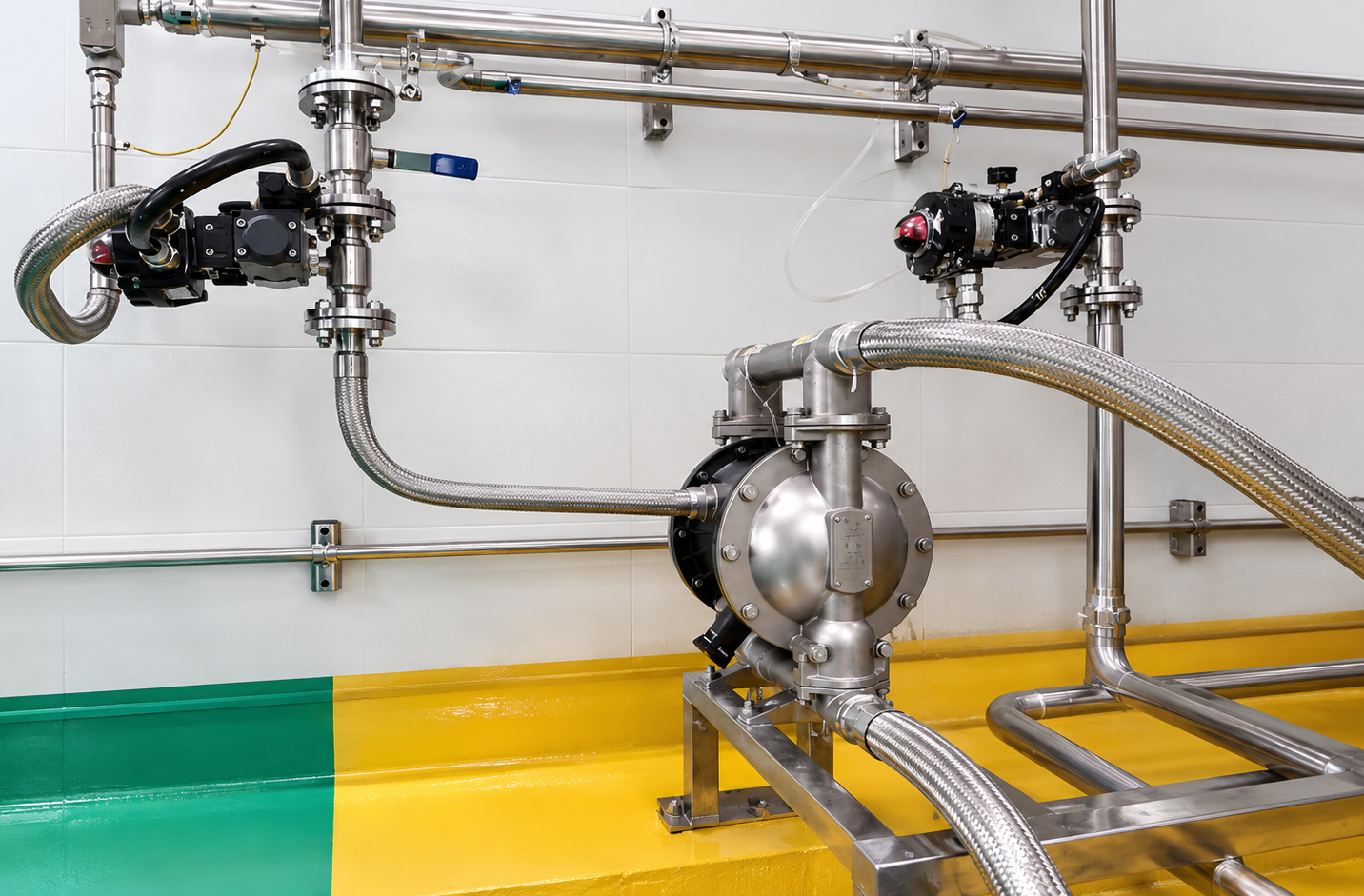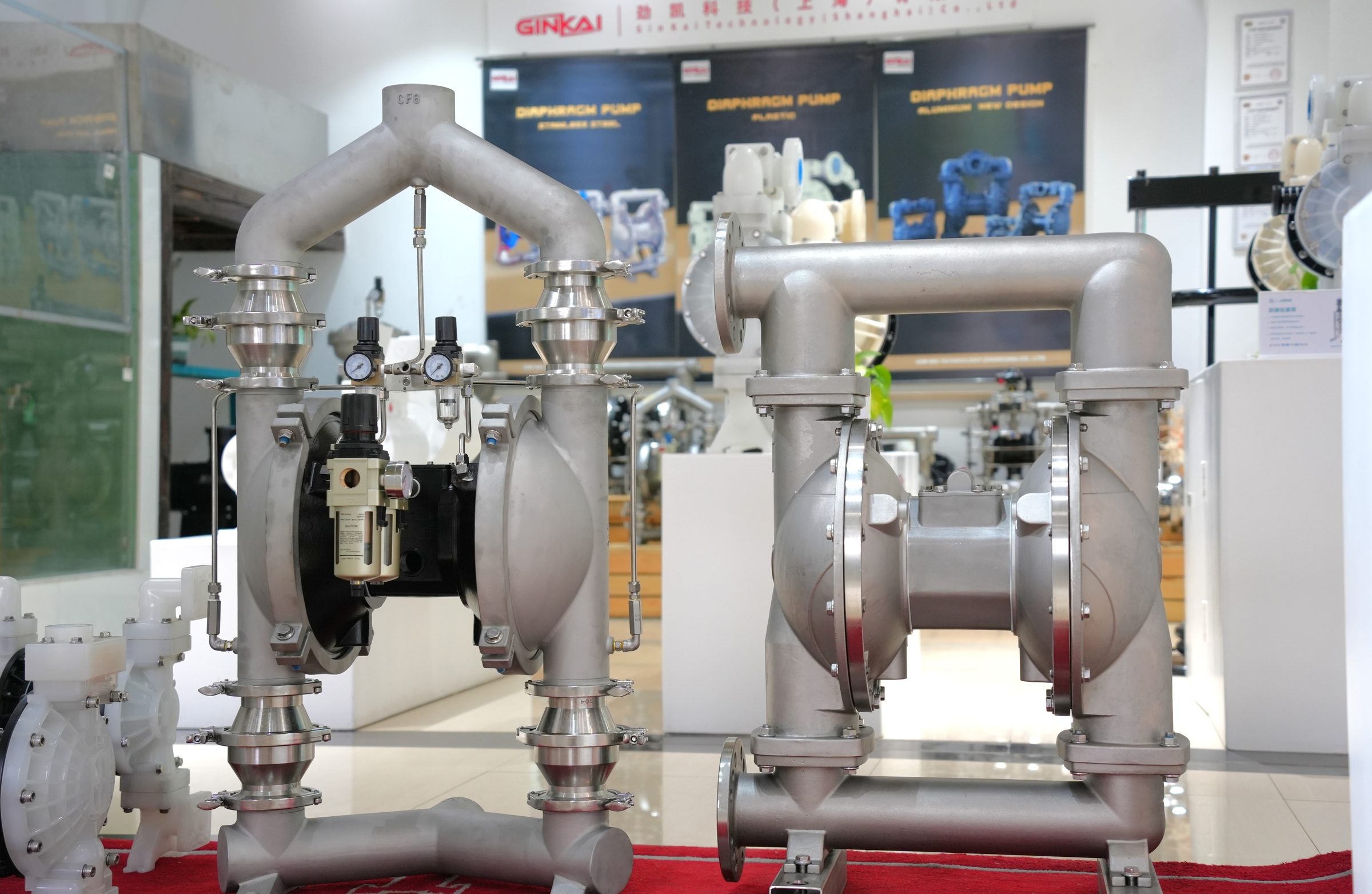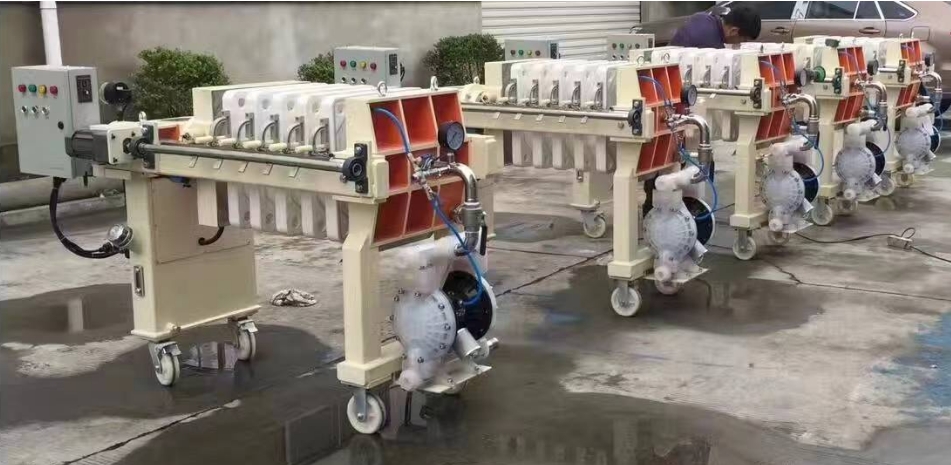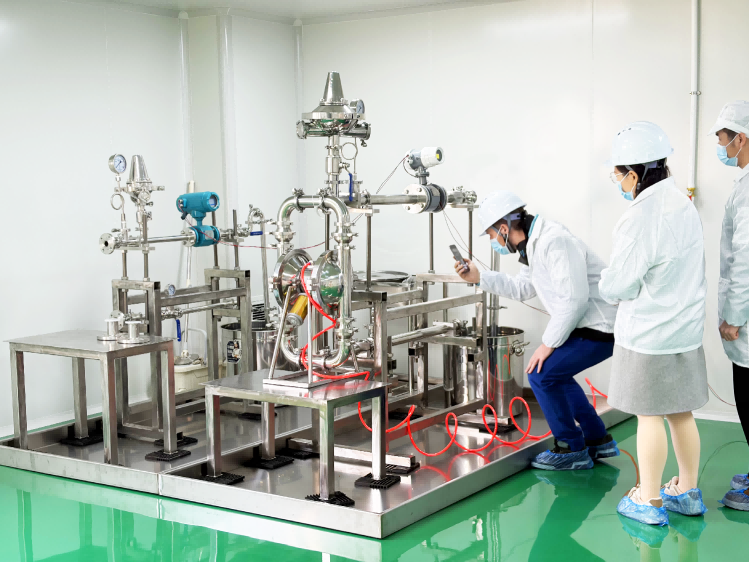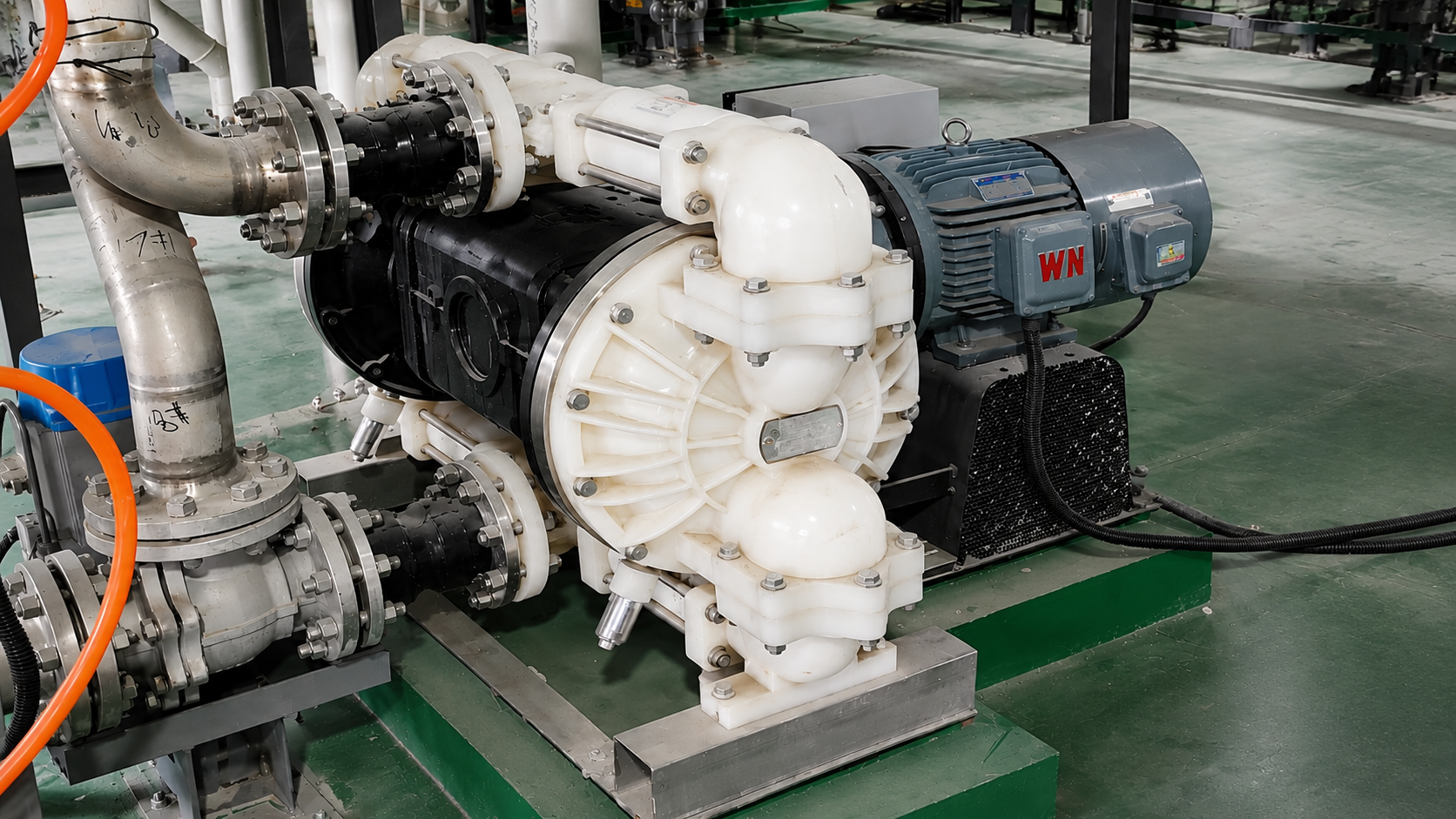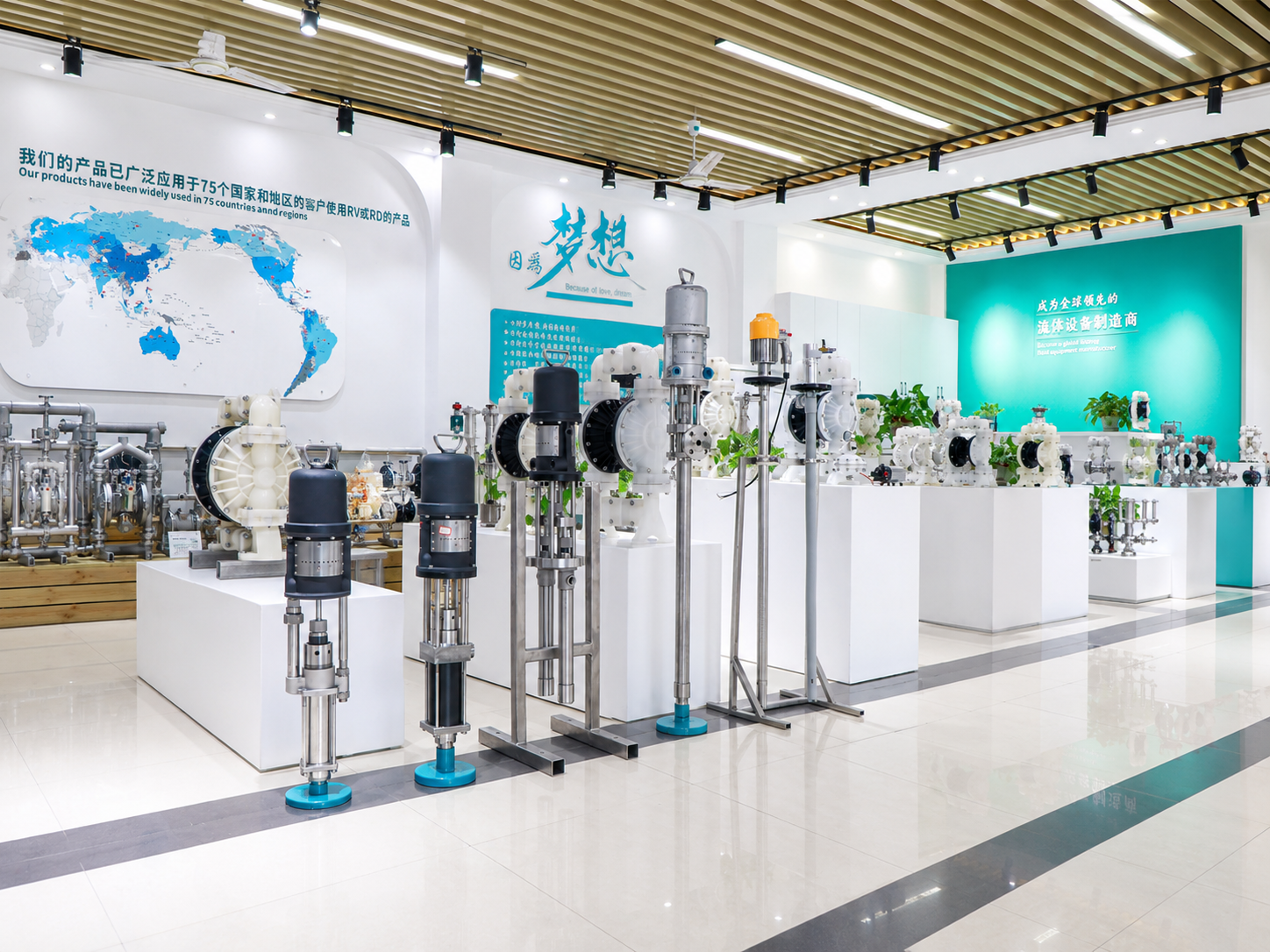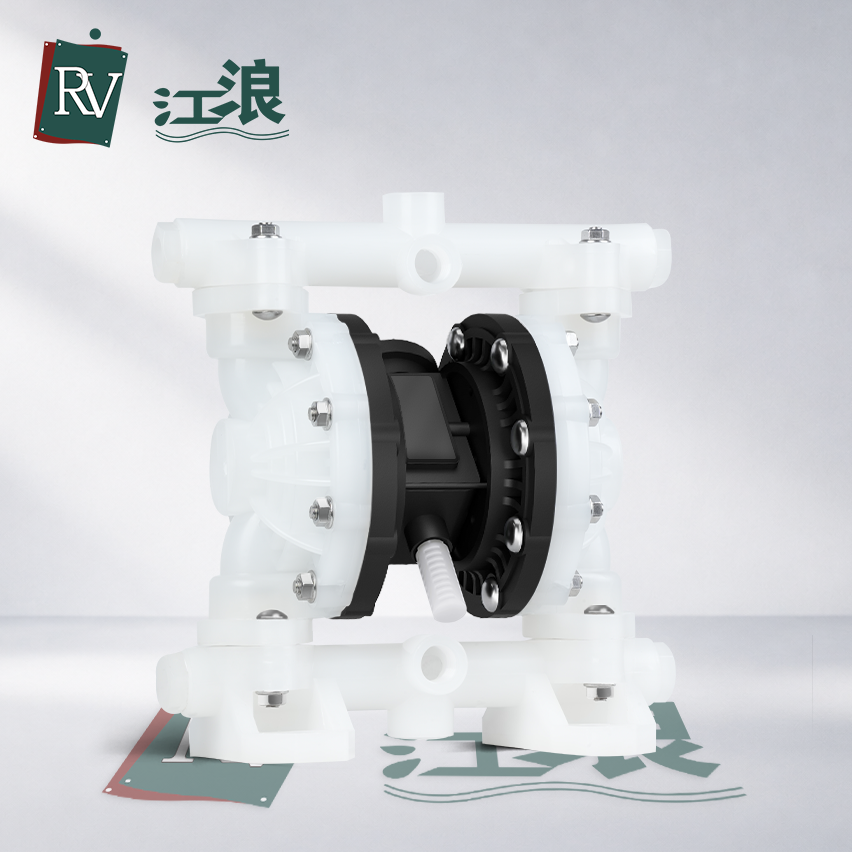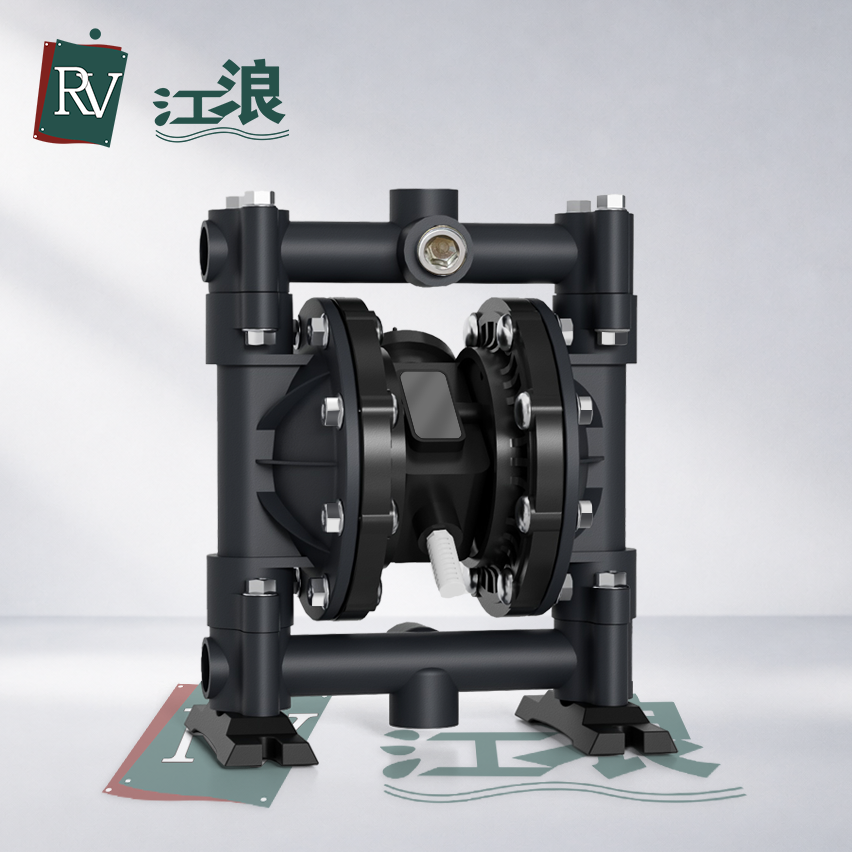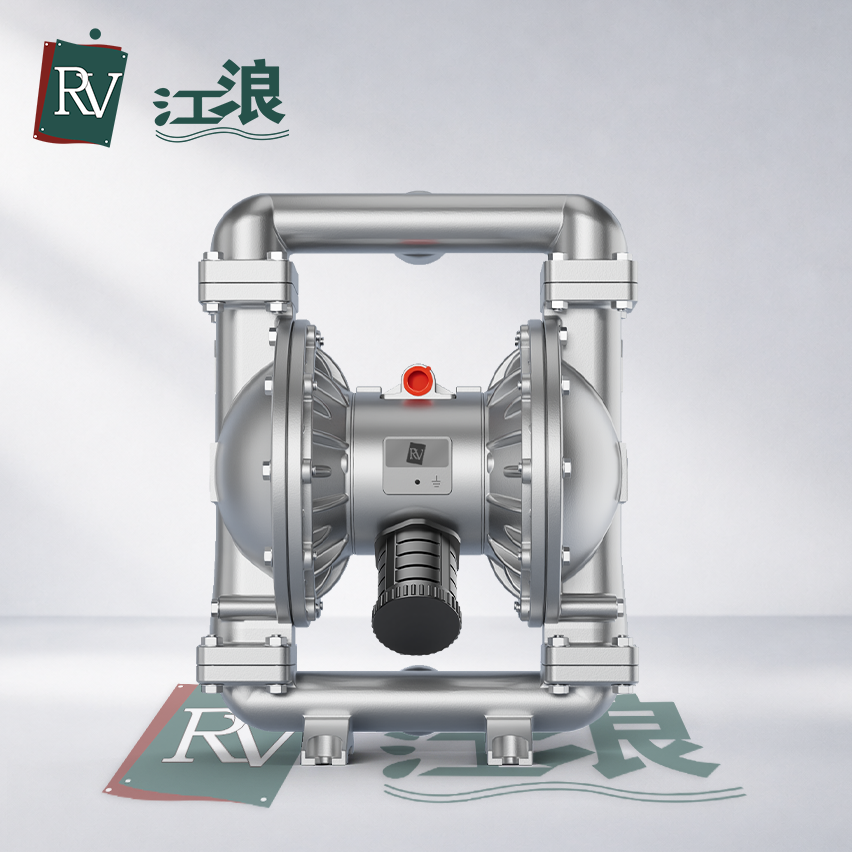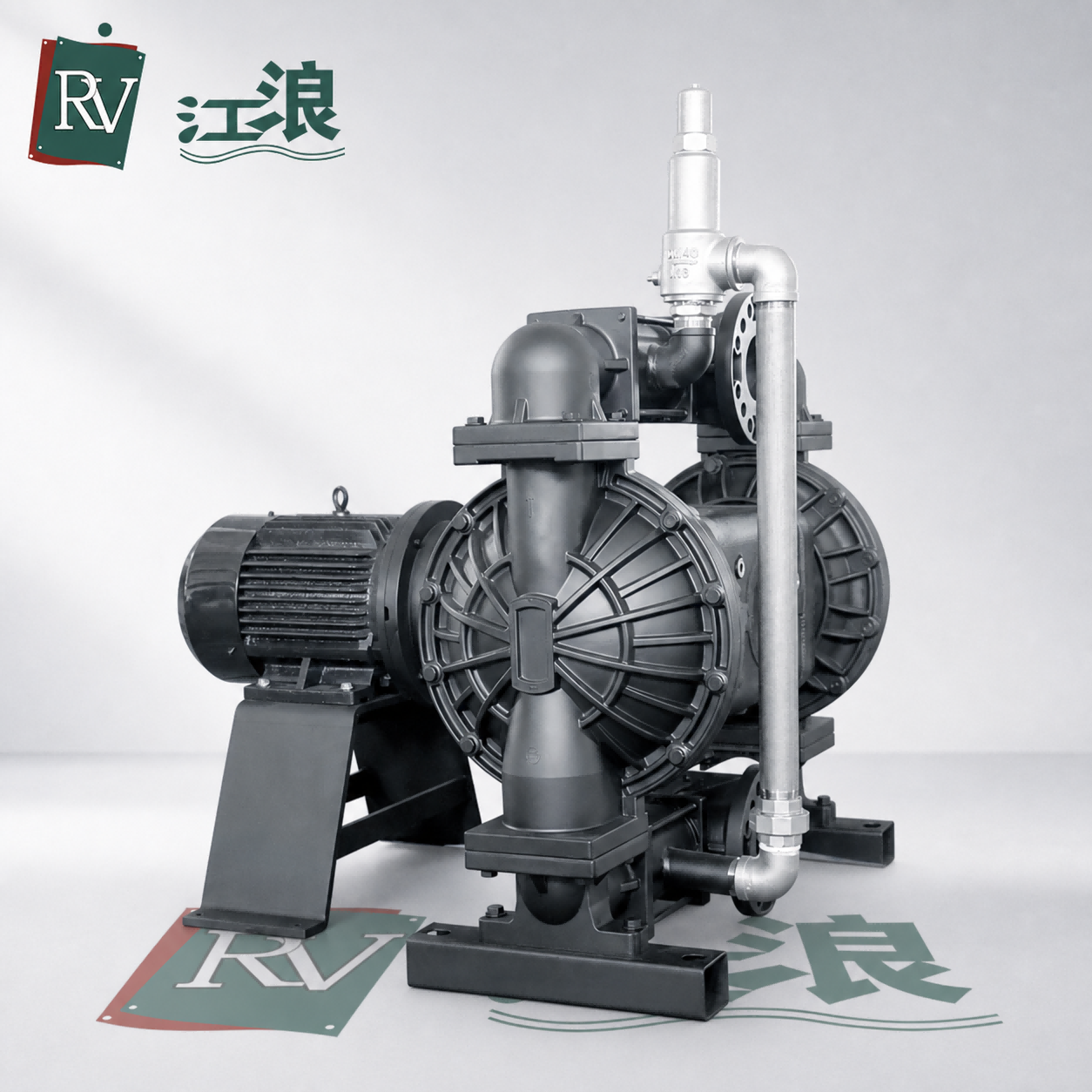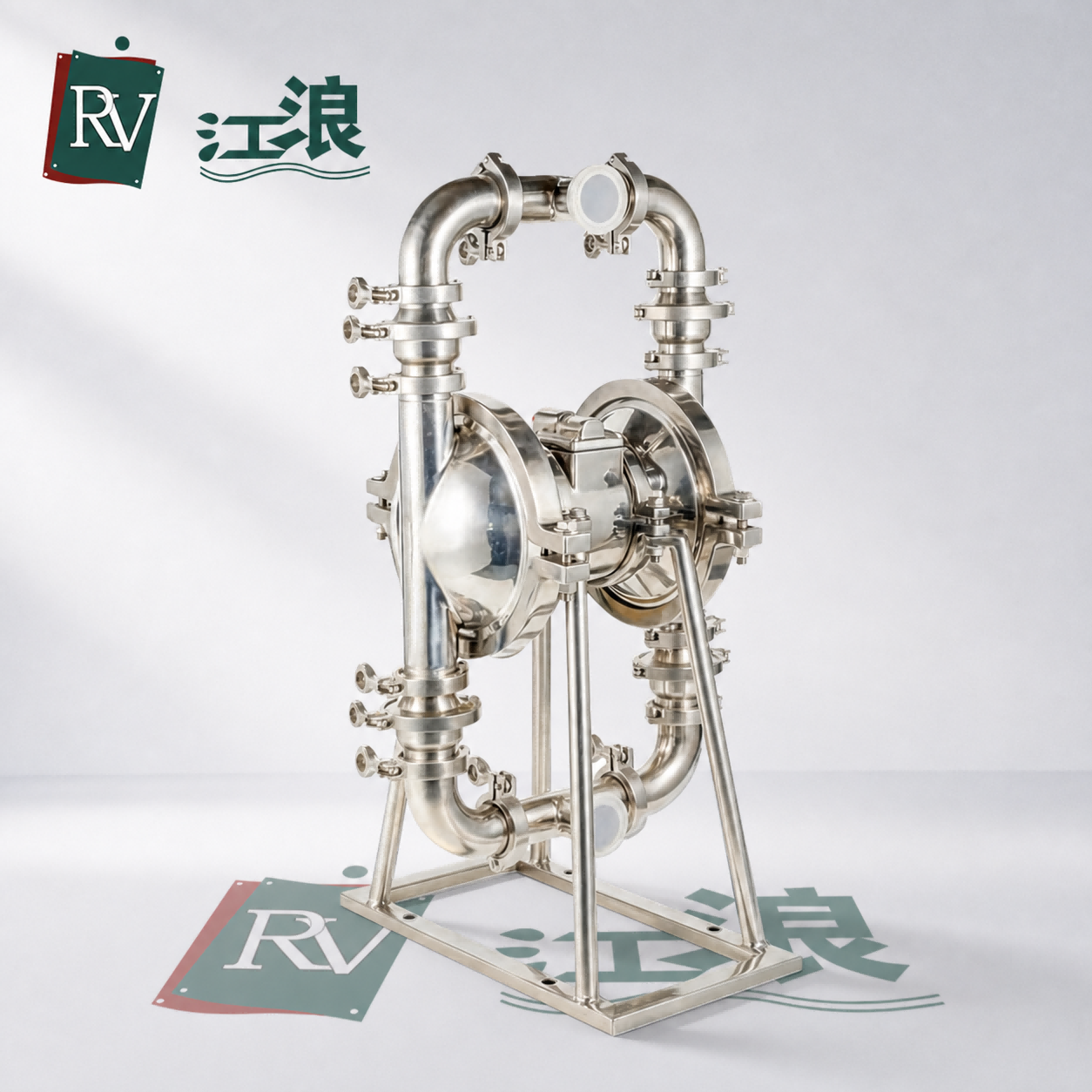
From pinning down the fluid and confirming the compressed-air supply to surveying the site and putting the pump to work, Jianglang Technology (RV) handled an emergency response to a highly corrosive liquid leak in less than four hours.
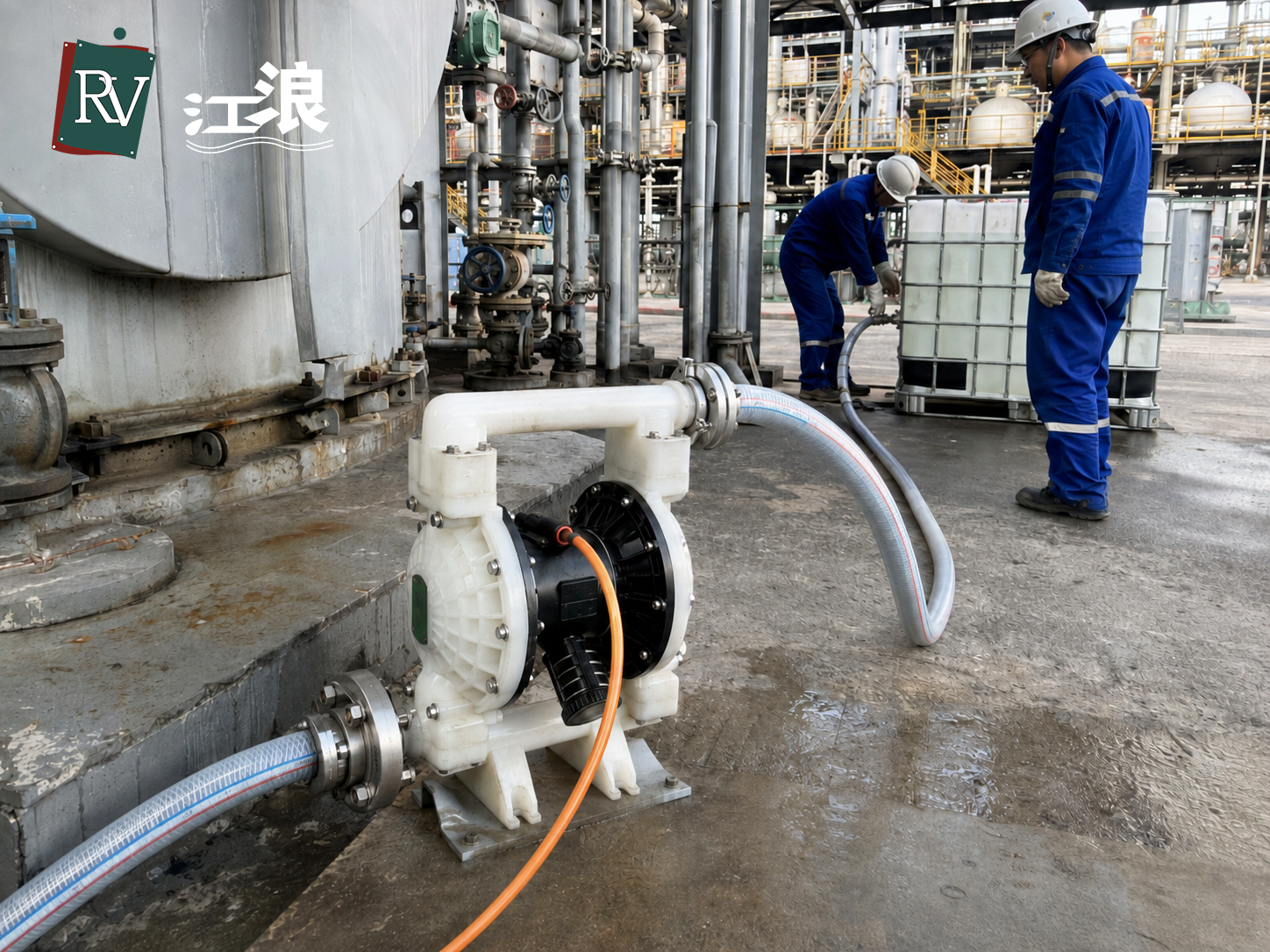
The leak: under control, with no time to lose
Instinct: what the customer wanted wasn't the best fit
Two questions that changed the whole solution
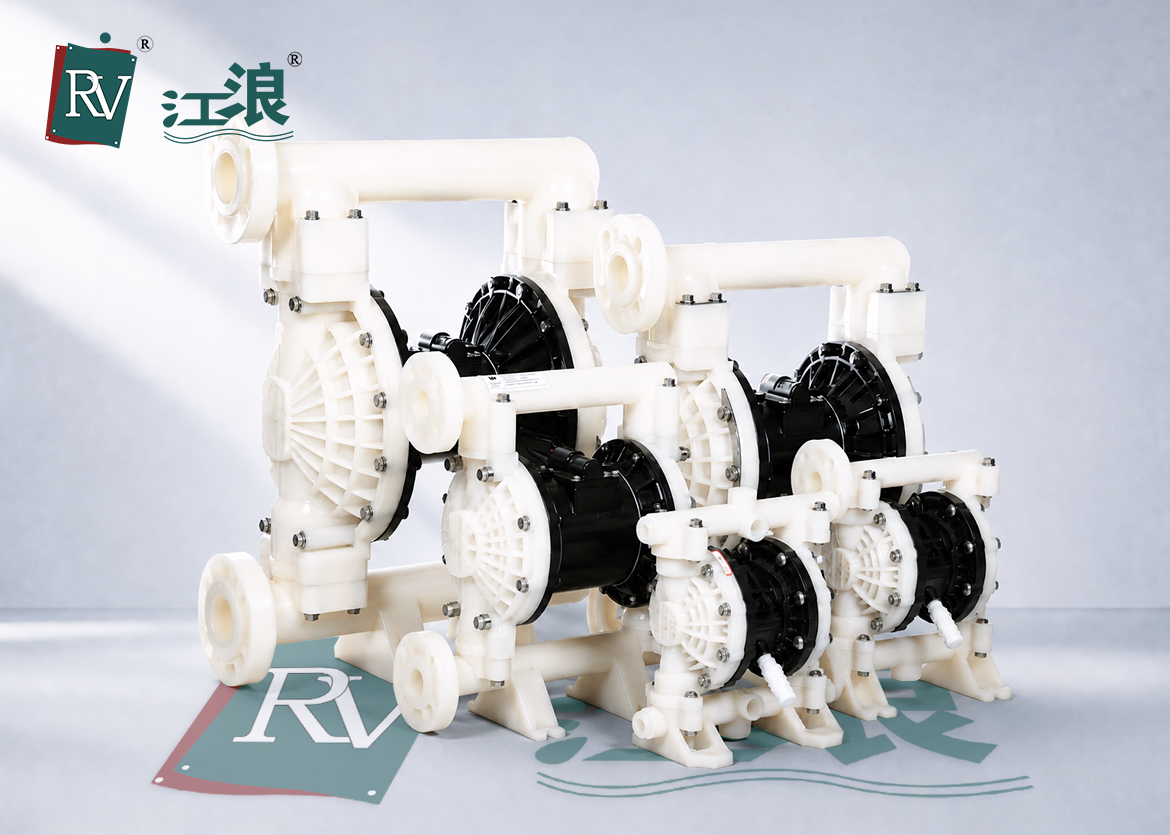
Why a PVDF AODD pump?
PVDF (polyvinylidene fluoride) has excellent resistance to highly concentrated, strongly corrosive fluids: under long-term contact it won't corrode, permeate, or crack. And the way an AODD pump is built happens to fit an emergency site.
01 · No shaft seal
The diaphragm keeps the fluid completely separated from the moving parts. With no mechanical seal, there is no seal that can fail and cause a secondary leak.
02 · Strong self-priming
No priming water is required. Connect the air line and it starts pumping.
03 · Safe to run dry
A short spell without fluid won't damage the pump body, so there is no risk of burn-out from dry running.
04 · Air-driven
Powered by compressed air with no electrical connection needed, it meets the explosion-proof requirements of a chemical park.
05 · Connect and run
Compact and quick to install, with no complex foundation alignment or piping modifications.
Heading out before lunch was over
Settling on a pump type over the phone wasn't enough.
How to route the hoses, whether the air pressure was sufficient, where to place the safe container, how much room the operators would have to work in: details like these can't be talked through without standing on the site.
Lunch wasn't even finished. RV's technical team set their chopsticks down and drove straight to the plant.
On site: a complete hazard-removal plan
Once there, they read the working conditions first.
They located the leak point, confirmed the reactor's connection specs, measured the transfer distance, assessed air pressure and flow, picked the spot for the safe collection container, and mapped out the hose routing.
A complete plan came together fast: pump selection, piping layout, installation steps, and operating precautions, all of it. This wasn't a case of handing over a pump and leaving the customer to work out the rest. Equipment, solution, and installation guidance arrived as one package.
3:00 p.m.: equipment in place, installed on the spot
The equipment was dispatched in step with the plan.
Around three in the afternoon, the complete PVDF AODD pump unit reached the site, where it was installed and put into service right away. From the call shortly after eleven to a running pump at three, site survey and planning included, the entire response took less than four hours, all told.
Once the pump started, the leaked, highly corrosive liquid was drawn into the collection container and the hazard was cut off.
The manager who had stayed on site watched the equipment run and personally commended RV's response speed.
A few last words
Looking back, this wasn't a complicated job.
The customer originally asked for a PTFE-lined centrifugal pump, the equipment they were used to. But an emergency site doesn't need another one of the same. It needs whatever will work, right now. Pin down the fluid, confirm the air supply, drive out to the site, get the equipment there the same day: no single step is complicated, but every one of them has to keep pace.
- Know the fluid:Only then do you have the basis to recommend a pump.
- See the site:Only then do you have the grounds to commit to a plan.
- Keep stock on hand:Only then can you actually answer an emergency.