RV Leak-Detection Diaphragm Pumps Add an Active Safety Barrier to Industrial Fluid Transfer
During operation, a diaphragm pump's diaphragms undergo continuous high-frequency reciprocating motion. Over time, they may fatigue, age, or even rupture. Once a diaphragm fails, toxic, corrosive, flammable, explosive, or high-value process fluids may enter the air system, creating a range of risks:
- Leakage of toxic or corrosive fluids, endangering personnel and the environment.
- Loss of high-value fluids, resulting in product contamination or scrapping.
- Corrosion of the pump's air passages, shortening equipment service life.
- Delayed detection of an abnormal condition, allowing the failure to spread and escalate.
For high-risk, high-value, or continuous-duty transfer applications, periodic maintenance alone is therefore not enough. Promptly detecting diaphragm abnormalities, issuing an alarm, and initiating an interlocked shutdown are essential to improving diaphragm pump safety.
From Reactive Response to Proactive Detection
To address leakage risks following diaphragm rupture, RV Technology Co., Ltd. offers a leak-detection diaphragm pump solution.
At the heart of the design is a sealed detection chamber within the diaphragm assembly. If a diaphragm ruptures, the process fluid first enters this chamber. The detector then identifies the abnormal condition and outputs a signal to the control system, which can trigger an alarm or stop the diaphragm pump.
The detection sequence can be summarized as follows:
- Diaphragm rupture
- Process fluid enters the detection chamber
- Sensor detects the abnormal condition
- Alarm signal is transmitted
- Interlocked shutdown is initiated
This mechanism enables action before the failure escalates, reducing fluid loss and the risks of equipment damage, environmental contamination, and injury.
For special applications involving flammable or explosive materials, the detection and alarm unit can also be supplied in an explosion-proof configuration to meet site requirements and provide targeted protection in different industrial environments.
Two Detection Methods for Different Fluids and Operating Conditions
Fluids vary significantly in viscosity, temperature, and flow behavior. Depending on actual operating conditions, RV Technology leak-detection diaphragm pumps can be configured with either a float-sensing or a pressure-based detection system.
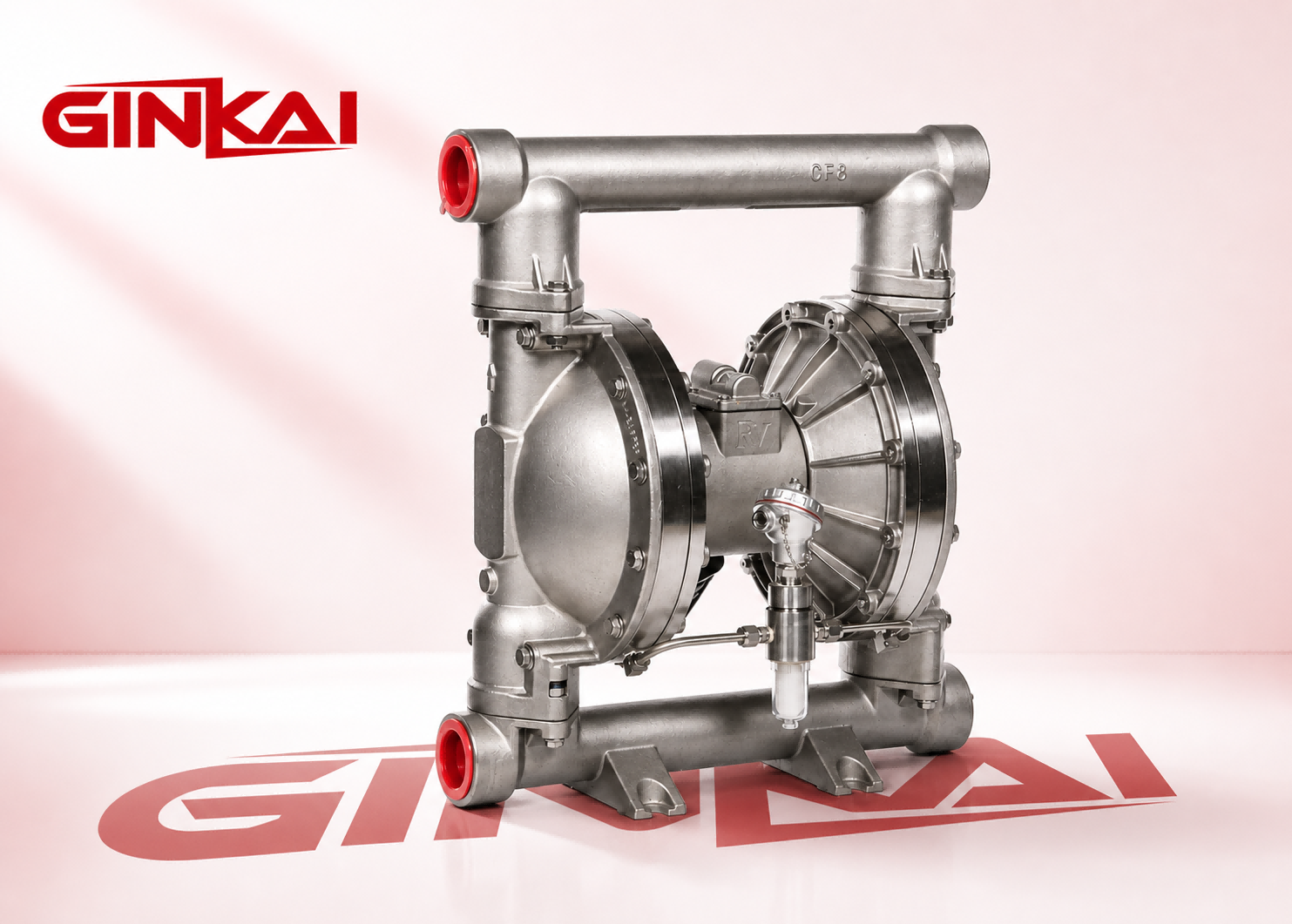
1. Float-Sensing Type: Straightforward Design and Easy Maintenance
After a diaphragm ruptures, the process fluid enters the sealed detection chamber and flows through a connecting tube into the float-sensing vessel. As the liquid level rises, the float lifts and closes a contact switch, causing the alarm to sound and transmitting the abnormal-condition signal to the control system.
The float-sensing design is relatively simple, highly reliable, cost-effective, and easy to maintain. It is suitable for clean liquids and low-viscosity fluids.
Viscous fluids may slow liquid flow and therefore delay the detection response. The float chamber should also be cleaned periodically based on actual service conditions.
Suitable applications: Clean liquids, low-viscosity fluids, and installations where simple construction and ease of maintenance are priorities.
2. Pressure-Based Type: Fast Response and Remote Monitoring
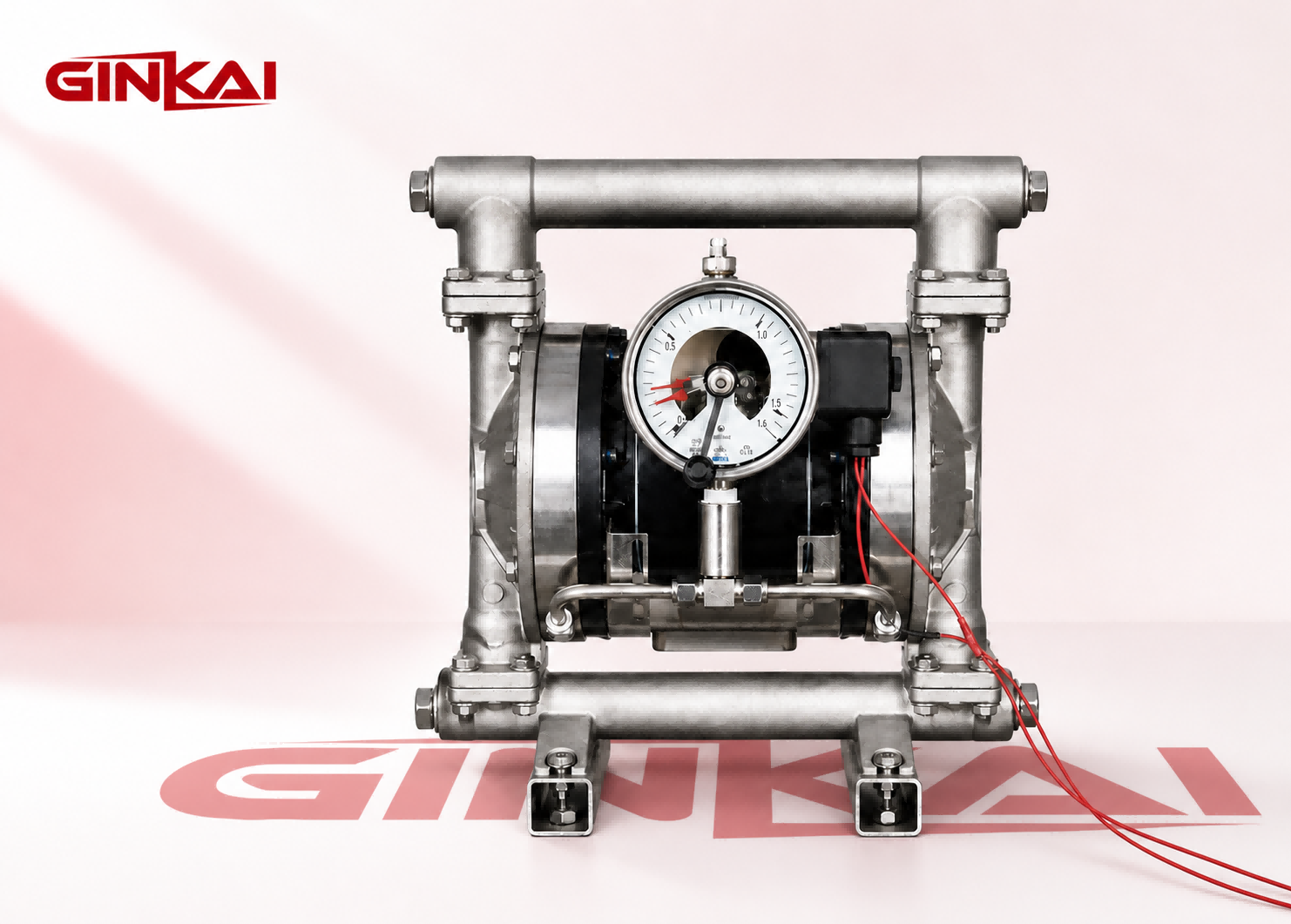
The pressure-based system connects the sealed detection chamber between the diaphragms to a pressure port and an electric-contact pressure gauge.
When a diaphragm ruptures and process fluid enters the detection chamber, the chamber pressure rises. Once the pressure reaches the setpoint, the gauge contacts actuate and the sensor outputs an alarm signal. The system can also interlock with a solenoid valve to stop the diaphragm pump.
Pressure-based detection responds quickly, enables continuous observation of pressure trends, and supports either local indication or remote monitoring. It is suitable for viscous liquids, high-temperature fluids, and applications with pronounced pressure changes.
To ensure accurate detection, the electric-contact pressure gauge should be inspected and calibrated regularly in accordance with operating requirements.
Suitable applications: Viscous liquids, high-temperature fluids, and applications requiring remote alarms and automatic shutdown interlocks.
Professional Selection Is More Than Choosing a Detection Method
The effectiveness of a leak-detection device depends closely on site conditions and system configuration. The following factors should be considered when selecting a solution:
- The viscosity, temperature, and cleanliness of the process fluid.
- Whether the site contains a flammable or explosive atmosphere.
- Whether local alarms, remote signal transmission, or automatic shutdown are required.
- Routine maintenance conditions and cleaning and calibration requirements.
- Signal compatibility between the alarm unit and the site's control system.
Neither the float-sensing system nor the pressure-based system is inherently superior. Correctly matching the configuration to the fluid properties and operating environment is the key to detection sensitivity and system reliability.
RV Technology: Making Every Transfer Safer and More Controllable
Professional industrial fluid-handling equipment must not only operate reliably under normal conditions; it must also be able to detect abnormalities promptly, issue alarms rapidly, and enable an effective response.
Drawing on real-world industrial operating conditions, RV Technology Co., Ltd. combines leak detection, alarm signaling, and shutdown interlocks to establish a more comprehensive diaphragm-failure monitoring system for diaphragm pumps. This helps users reduce fluid leakage risks, equipment damage, and production losses.
A timely alarm protects more than equipment; it also safeguards people, the environment, and the continued stability of the production system.
For information on product selection, detection methods, and alarm-interlock solutions for leak-detection diaphragm pumps, please contact RV Technology Co., Ltd.